Hello again from Swiss_Gems 
When I posted the Census, I had about 60 carrés. I’m now past 120, and the most useful skill I’ve built along the way isn’t spotting a grail. It’s dating a scarf from what the silk itself tells you.
So I’m starting a small series. Here’s my 60-second checklist:
-
The © mark. It’s missing on early pieces. My 1960 Les Poulains (de Poret) carries only “HERMÈS-PARIS”. That absence is the reason it has never been confused with a later reissue.
-
Raking light. Hold the scarf at a low angle to a lamp. Jacquards reveal what’s woven into them: the bees in Ledoux’s Napoléon, the wire-mesh damassé in Héron’s Grand Vent. A printed reissue shows nothing.
-
The hem. It should be rolled toward the printed side and hand-stitched. A flat or machine-sewn edge ends the conversation.
-
The small “S”. A stamp near the tag means a staff or sale piece. My Passementerie has one. It’s still lovely, but you should disclose it on any resale.
-
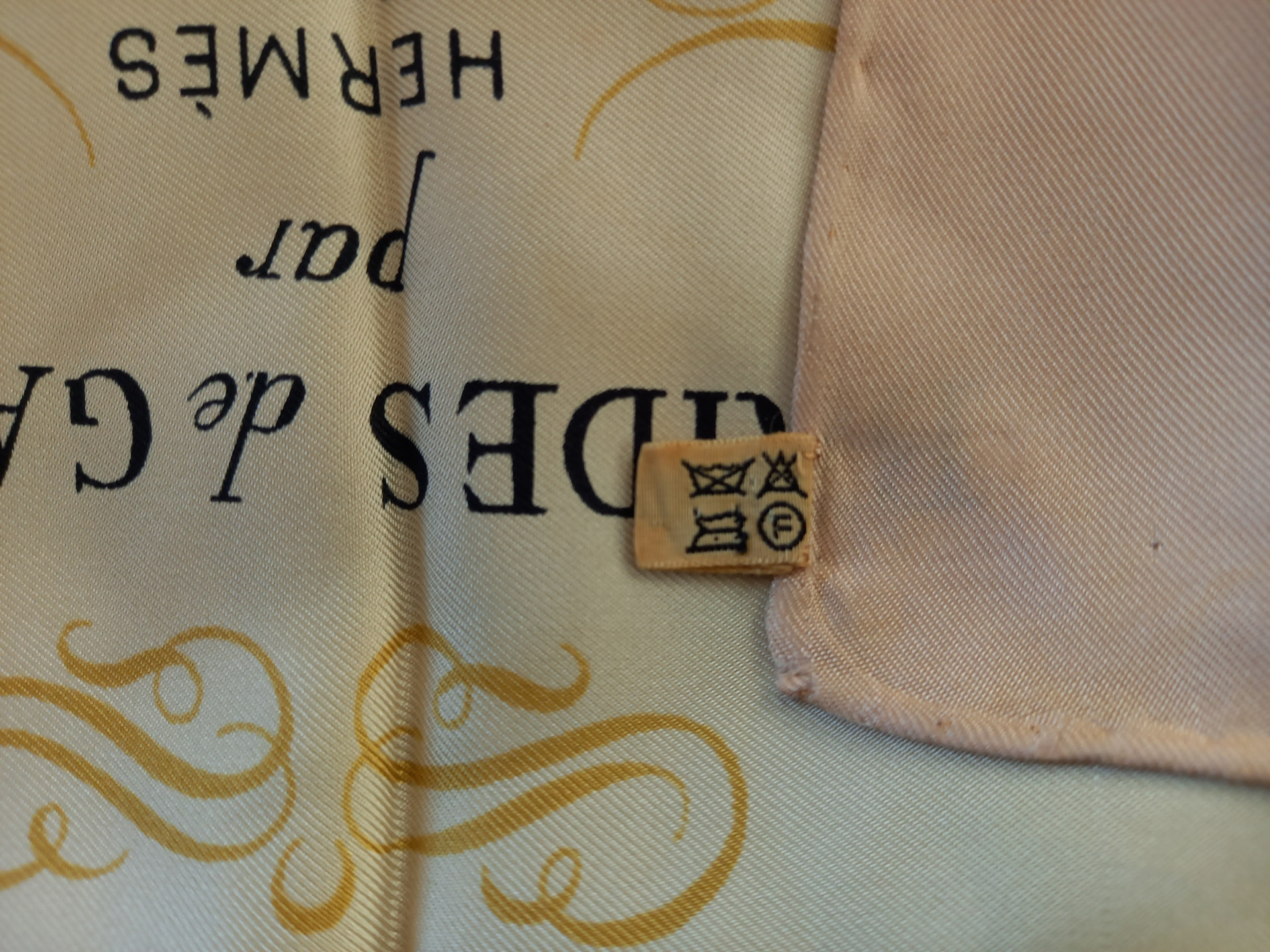
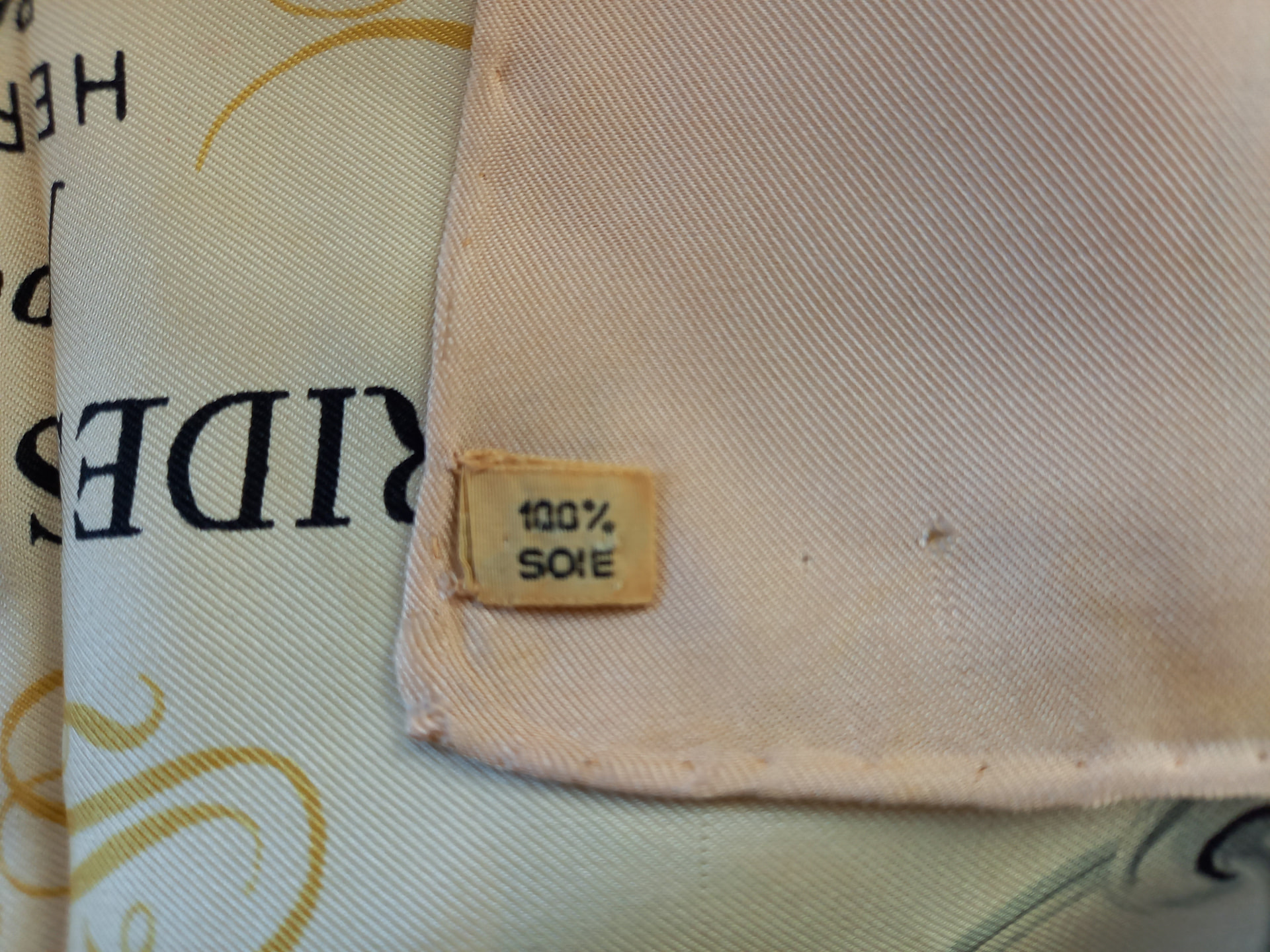
The care tag. Tags from different eras look different, and many were cut off by their first owners. A missing tag on a 1960s piece is normal, not a red flag.
Your turn. Post a photo of the corner, signature or hem of your oldest scarf, and let’s date it together. I’ll try to answer every one.
Next time: Carré Forensics #2: artists who hide things in their designs (yes, Annie Faivre’s monkey).
— Swiss_Gems